
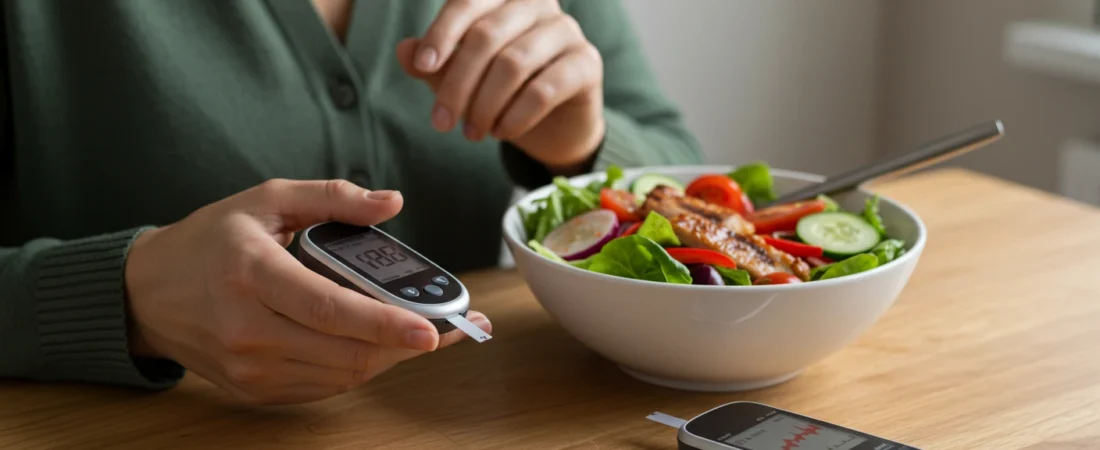
Recognizing the Early Signs of Sugar Diabetes in Your Daily Life
If you’ve ever noticed unexpected blood sugar spikes after healthy meals, you may be experiencing early signs of sugar diabetes. Many people assume that eating salads, lean proteins, or whole grains automatically guarantees stable glucose levels, but the reality is more complex. Individual metabolism, stress hormones, and even the microbiome can influence how your body responds to certain foods. By using continuous glucose monitoring (CGM) devices, many discover surprising patterns in blood sugar levels that challenge conventional nutrition advice.
Understanding why these spikes occur, how to detect them, and strategies to stabilize your blood sugar is crucial for long-term health. With the right knowledge and tools, you can avoid complications, improve energy levels, and take control of your metabolic health.
Understanding Blood Sugar Spikes and Signs of Sugar Diabetes
Why Healthy Meals Can Cause Unexpected Spikes
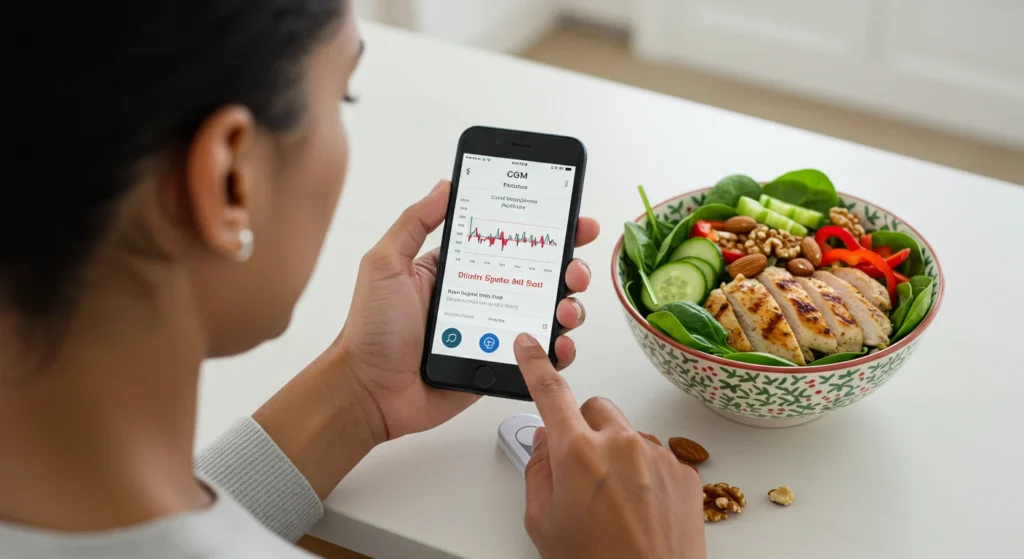
Even meals that seem low in sugar can trigger blood sugar after salad or other healthy dishes. Foods with a moderate glycemic index, such as ripe tomatoes, carrots, or certain fruits, may increase glucose levels more than expected. Additionally, the combination of carbohydrates with proteins or fats influences how quickly sugar enters the bloodstream. For example, a salad with croutons and a sugary dressing may cause higher spikes than the same salad with avocado and olive oil.
Individual metabolic differences also play a critical role. Genetics, insulin sensitivity, stress levels, gut microbiota, and even the time of day can affect how your body processes glucose. Many individuals notice spikes even without consuming refined sugars, which are often an early indicator of signs of sugar diabetes. According to the American Diabetes Association, “Even small fluctuations in blood glucose levels can indicate early insulin resistance, which requires attention” (source).
Using Technology to Detect Spikes
Modern tools such as glucose monitors and continuous glucose monitoring (CGM) devices provide detailed insights into how your body responds to food. Tracking CGM trends allows users to identify patterns, such as unexpected spikes after meals perceived as healthy. For example, a blood sugar monitor may show a spike after a quinoa salad with roasted vegetables, prompting adjustments to the meal composition.
By logging meals alongside glucose levels, you can detect subtle responses to specific ingredients. These insights help tailor nutrition strategies to your unique metabolism, reducing the risk of chronic hyperglycemia.
Common Symptoms and Early Warning Signs
Recognizing early signs of sugar diabetes is critical. Symptoms often appear subtle but can include:
- Fatigue or lethargy after meals
- Unexpected hunger despite eating nutrient-dense foods
- Brain fog and difficulty concentrating
- Frequent thirst and urination
These symptoms may coincide with blood sugar levels outside the ideal range, even when eating a diet considered healthy. Recording these changes in a blood sugar monitor or CGM helps correlate symptoms with glucose fluctuations.
The Role of Stress, Hormones, and Sleep
Stress hormones like cortisol directly impact glucose levels, causing spikes even after low-carb meals. Poor sleep, chronic stress, and irregular routines exacerbate these fluctuations. Studies indicate that “Stress-induced hyperglycemia can impair glucose tolerance and increase the risk of type 2 diabetes” (source).
Lifestyle adjustments, such as mindfulness, yoga, and structured sleep patterns, complement dietary strategies in maintaining steady blood sugar levels. Combining these practices with continuous glucose monitoring allows users to see real-time effects, providing a practical and measurable approach to health management.
Signs of Sugar Diabetes: Practical Strategies to Stabilize Blood Sugar Levels
Meal Composition Tips for Balanced Glucose
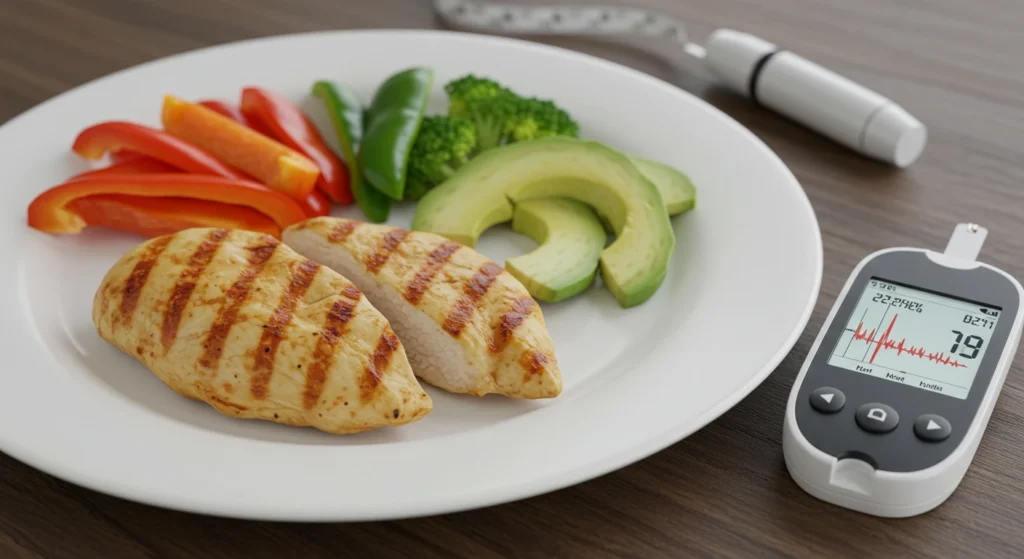
Even healthy meals can lead to spikes if not properly balanced. To reduce blood sugar after salad spikes:
- Pair carbohydrates with protein and healthy fats to slow glucose absorption
- Include fiber-rich vegetables to buffer sugar release
- Avoid hidden sugars in dressings, sauces, or condiments
Using a blood sugar monitor before and after meals can reveal which foods trigger spikes. Monitoring CGM trends helps identify patterns, such as increased glucose after fruit in the morning but stable readings in the evening.
Lifestyle Adjustments
In addition to diet, lifestyle factors significantly affect blood sugar levels:
- Regular Exercise: Enhances insulin sensitivity and stabilizes glucose
- Adequate Sleep: Regulates hormones impacting glucose
- Stress Management: Lowers cortisol and reduces unexpected spikes
Evidence shows that “Small, consistent lifestyle changes can significantly reduce blood sugar variability, lowering the risk of developing type 2 diabetes” (source).
Technology Integration for Optimal Monitoring
Continuous glucose monitoring (CGM) devices provide unparalleled insight into daily glucose fluctuations. Modern apps allow users to track blood sugar levels, identify trends, and receive personalized alerts. This enables proactive meal adjustments, better sleep routines, and timely interventions for spikes, particularly for those exhibiting early signs of sugar diabetes.
When to Consult a Healthcare Professional to Check Signs of Sugar Diabetes

Even with careful monitoring, persistent spikes in blood sugar levels after healthy meals warrant medical attention. Early consultation can prevent progression to type 2 diabetes. Key indicators for a professional visit include:
- Repeatedly high readings on a blood sugar monitor or CGM
- Symptoms like fatigue, blurred vision, or frequent urination
- Difficulty controlling glucose despite diet and lifestyle interventions
An endocrinologist or certified diabetes educator can tailor strategies, provide medication guidance if needed, and help interpret CGM trends. Early intervention dramatically reduces long-term complications, improving quality of life and metabolic health.
Conclusion
Unexpected blood sugar spikes after healthy meals are often overlooked early signs of sugar diabetes. By combining dietary strategies, lifestyle changes, and advanced monitoring tools like CGM trends and blood sugar monitors, you can identify triggers and stabilize glucose levels effectively. Proactive steps today prevent complications tomorrow.
Take control of your glucose levels now!
Take control of your blood sugar today! Get the Metene TD-4116 Blood Glucose Monitor Kit with 100 strips, lancets, and a large display for accurate, easy testing monitor your glucose levels effortlessly and stay on top of your health. Shop it now and take control of your glucose levels!Related posts:
 Blue Zones Lifestyle: The Secrets from World’s Healthiest People
 Sustainable Healthy Lifestyle: Foods & Habits for Beginners
 Superfoods To Boost Your Energy Naturally For Healthy Lifestyle
 The Shocking Truth About Sugar: What’s Really Doing to Your Body
 Circadian Eating: The Best Times to Eat for Optimal Health
 Histamine Intolerance: Hidden Cause of Headaches and Fatigue