
Why Histamine Intolerance Deserves Your Attention
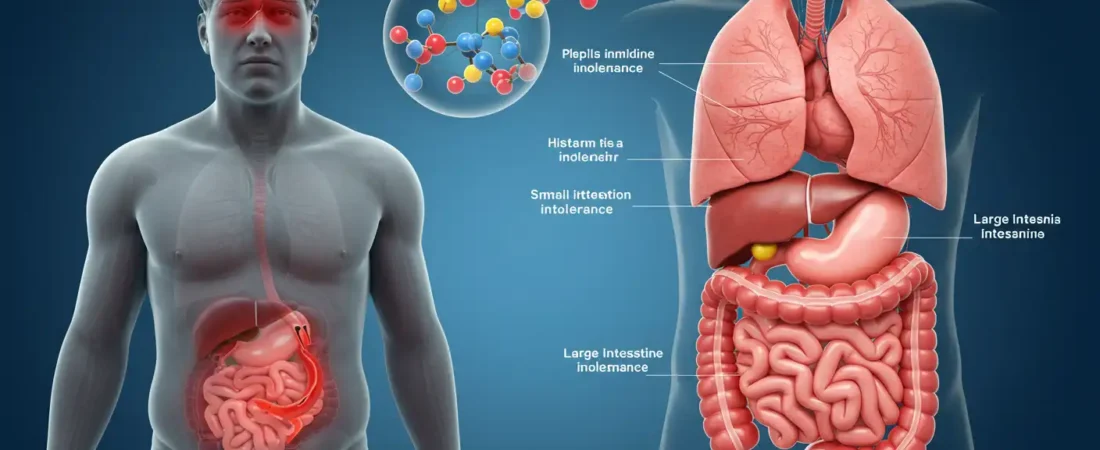
Histamine intolerance is an underestimated yet highly impactful condition that affects many people without them even realizing it. While most know histamine as the chemical responsible for allergic reactions, it also plays essential roles in digestion, immune defense, and brain signaling. The problem occurs when your body cannot efficiently break down histamine, leading to excessive levels circulating in your system.
This imbalance often results in histamine intolerance symptoms such as bloating, headaches, fatigue, skin rashes, dizziness, nasal congestion, and gastrointestinal discomfort. The main culprit? Reduced activity of the DAO enzyme (diamine oxidase), the primary tool your body uses to metabolize dietary histamine.
Unfortunately, histamine intolerance is often misdiagnosed as irritable bowel syndrome (IBS), chronic fatigue syndrome, seasonal allergies, or even anxiety disorders. As awareness grows, more people are discovering that simple changes like following a low histamine diet can bring dramatic relief.
In this article, we’ll cover the most common histamine intolerance symptoms, the vital role of the DAO enzyme, dietary strategies for relief, and how to distinguish histamine sensitivity from histamine allergy symptoms.
Histamine Intolerance Symptoms You Shouldn’t Ignore
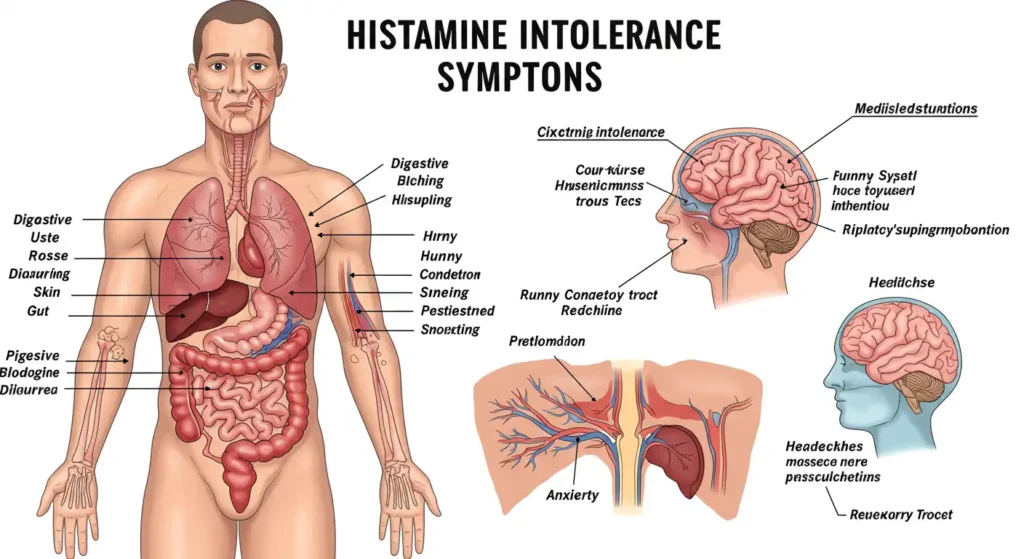
Histamine intolerance symptoms are diverse and can mimic numerous health conditions, which is why diagnosis can be tricky. Some people have constant discomfort, while others notice symptoms only after eating certain foods or drinking alcohol.
Digestive Symptoms
One of the most common forms of histamine food intolerance symptoms involves the digestive system. People may experience bloating, abdominal cramps, diarrhea, or nausea within minutes to hours after eating high-histamine foods. For example, aged cheeses or red wine may trigger intense bloating and discomfort because they contain high histamine levels that your body cannot clear quickly.
Neurological Symptoms
Migraines and frequent headaches are strongly associated with histamine intolerance. Histamine can act as a neurotransmitter in the brain, and when present in excess, it can dilate blood vessels, triggering pain. Brain fog, dizziness, and even anxiety are also reported.
Skin Reactions
Flushing, hives, eczema flare-ups, and unexplained itching are common skin manifestations. These occur because histamine increases blood flow and causes capillaries to become more permeable, leading to redness, swelling, and irritation.
Respiratory Symptoms
Nasal congestion, sneezing, and asthma-like breathing difficulties may occur after eating certain foods. Unlike seasonal allergies, these symptoms are often delayed and tied directly to histamine overload.
Overlapping with Other Conditions
Because histamine intolerance symptoms can mimic allergies, IBS, or even autoimmune disorders, it’s easy to get misdiagnosed. A study in The American Journal of Clinical Nutrition (source) found that many patients with chronic headaches and digestive complaints improved significantly after following a low histamine diet, suggesting that undiagnosed intolerance may be more common than believed.
The Role of DAO Enzyme in Histamine Intolerance
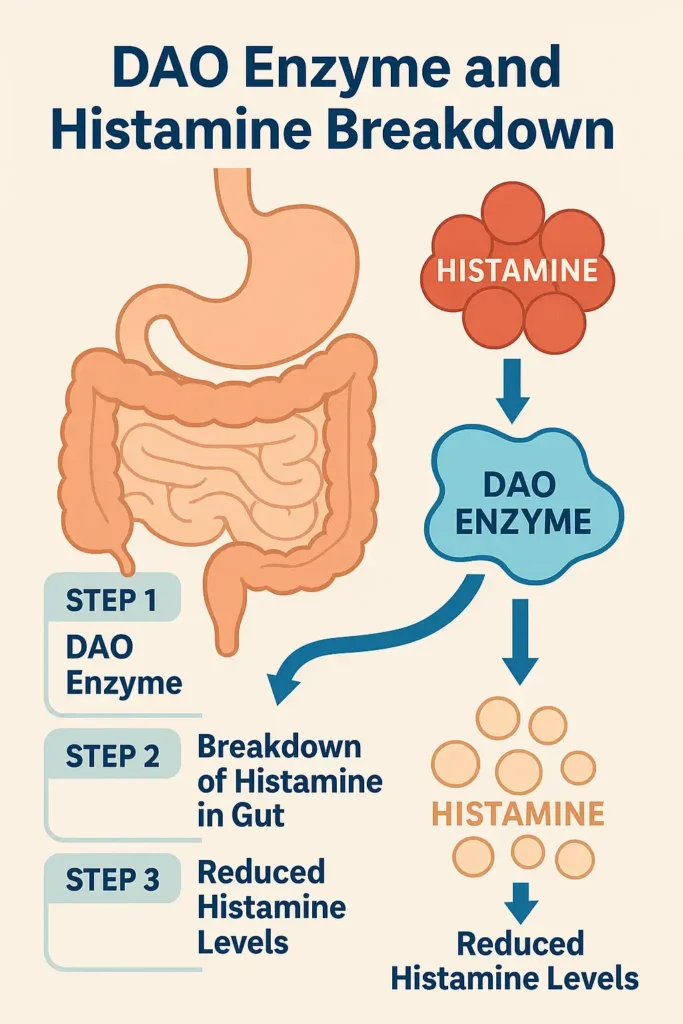
The DAO enzyme is the body’s primary defense against dietary histamine. It’s mainly found in the small intestine, where it breaks down histamine before it enters the bloodstream.
Why DAO Enzyme Matters
When the DAO enzyme is functioning well, it keeps histamine levels balanced. However, if DAO activity is low due to genetics, gut health issues, nutrient deficiencies, or certain medications histamine builds up and causes histamine intolerance symptoms.
Causes of Low DAO Activity
- Genetics: Variations in the AOC1 gene can reduce DAO production.
- Gut Inflammation: Conditions like Crohn’s disease, celiac disease, and SIBO can damage DAO-producing cells.
- Medications: NSAIDs, antidepressants, and antibiotics can inhibit DAO function.
- Nutrient Deficiencies: Low vitamin B6, copper, or zinc can impair DAO activity.
DAO Testing and Supplementation
Doctors can measure DAO activity with blood tests, but they should interpret the results together with symptom tracking. Some individuals benefit from DAO supplements taken before high-histamine meals.
According to a review in Nutrients (source), supplementing with DAO enzyme improved symptoms for many patients within two weeks, especially when combined with dietary changes.
Low Histamine Diet: Your Path to Relief Histamine Intolerance

The low histamine diet is the most effective non-pharmaceutical approach to managing histamine intolerance.
High-Histamine Foods to Avoid
- Aged cheeses
- Cured meats
- Fermented foods (sauerkraut, kimchi, kombucha)
- Alcohol, especially red wine and beer
- Certain fish (tuna, sardines, mackerel)
Low-Histamine Foods to Enjoy
- Freshly cooked chicken, turkey, and fish
- Most fresh vegetables except tomatoes, spinach, and eggplant
- Gluten-free grains like rice, quinoa, and millet
- Fresh fruits like apples, pears, and blueberries
- Herbal teas such as chamomile and rooibos
Implementing the Diet
Start by strictly avoiding high-histamine foods for 2–4 weeks. Keep a food and symptom diary to track improvements. Gradually reintroduce foods to test tolerance.
Histamine Intolerance: Histamine Sensitivity vs. Histamine Allergy Symptoms
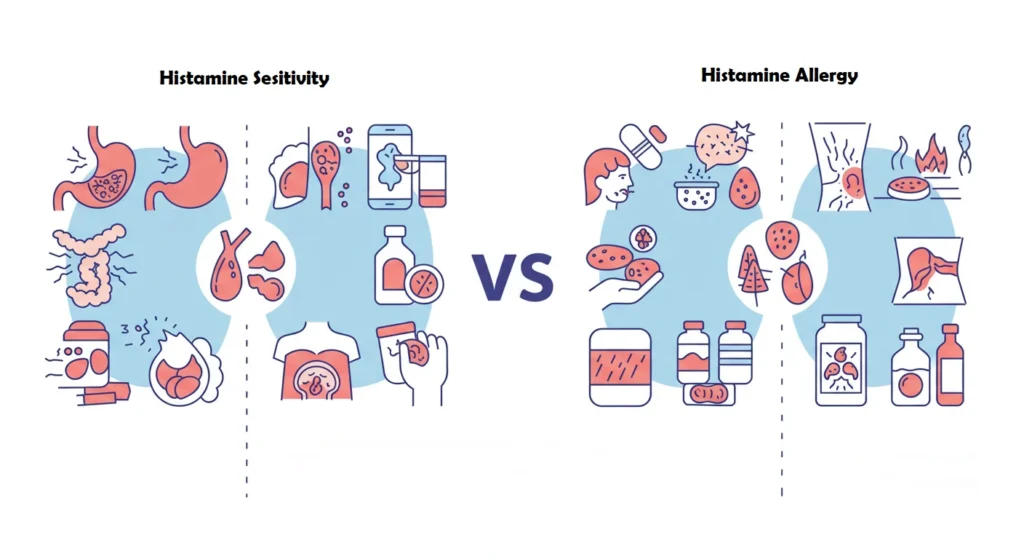
Although histamine sensitivity and histamine allergy symptoms share similarities, the underlying mechanisms are different.
Understanding Histamine Sensitivity
This occurs when your body struggles to break down histamine efficiently, often due to low DAO enzyme levels. Symptoms may appear later and depend on how much histamine you have overall.
Understanding Histamine Allergy Symptoms
This involves the immune system reacting to an allergen, releasing histamine as part of the inflammatory response. Reactions tend to be immediate and more severe.
Key Differences
- Histamine sensitivity is metabolic.
- Histamine allergy symptoms are immune-mediated.
✅ Take control today
If you’ve been struggling with unexplained bloating, headaches, fatigue, or skin problems, histamine intolerance could be the missing piece of the puzzle.
track your histamine intolerance symptoms, consider testing your DAO enzyme levels, and start a low histamine diet to reclaim your health and energy.
Related posts:
 Chronic Inflammation: How It Accelerates Aging and How to Stop It
 Lower Blood Pressure Naturally Without Medication
 Intermittent Fasting: Everything You Need to Lose Weight
 Blue Zones Lifestyle: The Secrets from World’s Healthiest People
 Adaptogens for Stress and Anxiety: Restore Your Mental Balance
 Anxiety Symptoms Relief: Magnesium for Sleep and Recovery