
Understanding Its Impact, Risks, and Prevention Strategies
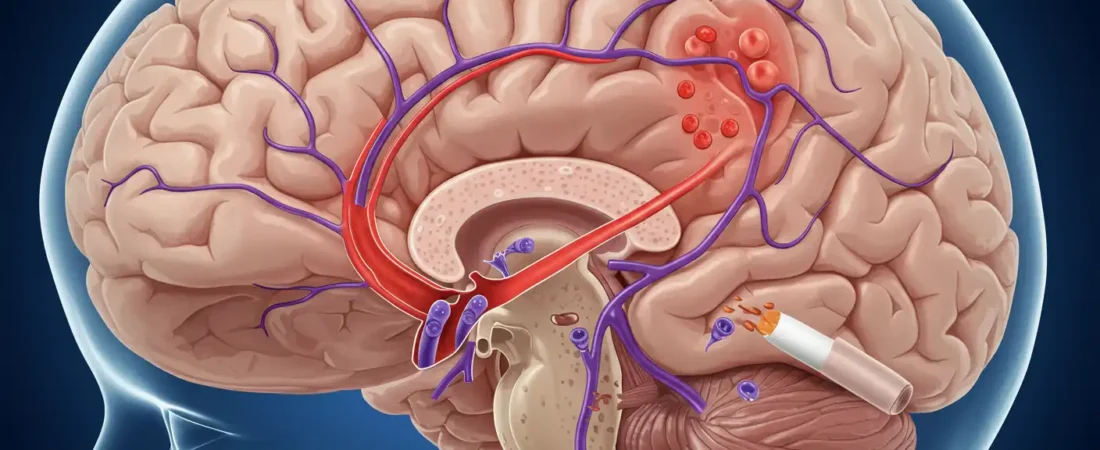
Stroke causes are one of the most pressing issues in global health today. Every year, millions of individuals experience strokes, and the consequences can be devastating not only for patients but also for families and entire healthcare systems. A stroke occurs when the blood supply to the brain is interrupted or significantly reduced. This deprivation of oxygen and vital nutrients can kill brain cells within minutes. The result is often permanent brain damage, physical disability, or even death.
The term stroke causes encompasses a wide range of factors, including high blood pressure, poor lifestyle habits, and underlying medical conditions such as diabetes or cardiovascular disease. According to the World Health Organization (WHO), strokes remain the second leading cause of death globally, accounting for approximately 11% of total deaths worldwide (WHO Fact Sheet). Even more alarming is that many strokes are preventable through lifestyle adjustments and early intervention.
This article aims to provide a comprehensive guide to understanding stroke causes, the different types of strokes, symptoms, long-term effects, and most importantly, evidence-based strategies for prevention and recovery. By the end of this guide, you’ll have a clearer understanding of how strokes develop, how to recognize them, and the proven steps you can take to reduce your risk and promote long-term brain health.
Understanding Stroke Causes and Effects
Stroke causes are rooted in both genetic and lifestyle factors, often combining silently over years until a sudden and devastating event occurs. To understand stroke, we must first analyze what actually happens inside the brain during this medical emergency.
When blood flow to a region of the brain is interrupted, neurons begin to die due to lack of oxygen. Every minute that a stroke remains untreated, an estimated 1.9 million neurons are lost. This explains why strokes are considered medical emergencies that demand immediate attention.
The Major Stroke Causes
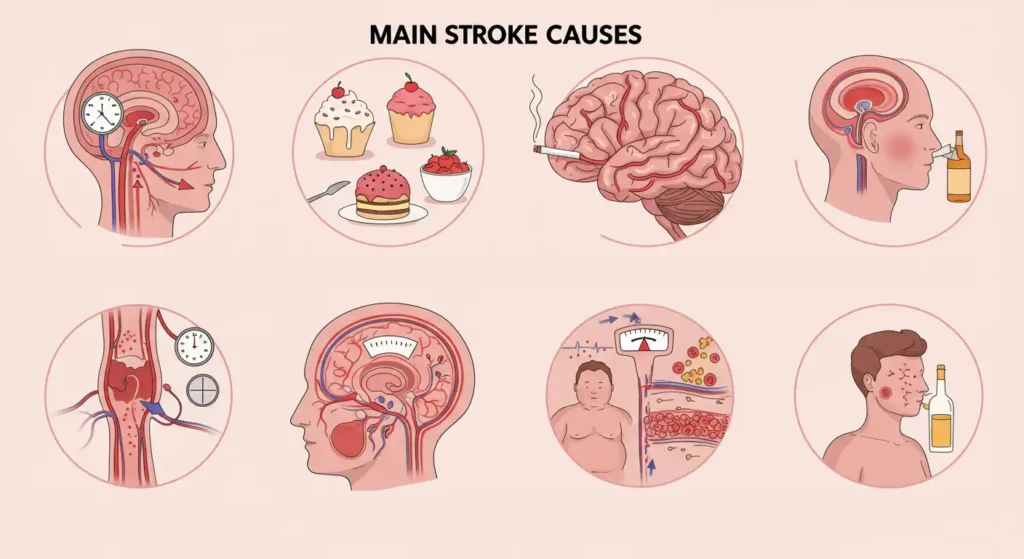
- High Blood Pressure (Hypertension)
Hypertension is widely recognized as the leading cause of stroke. Constant high pressure weakens the arteries, making them prone to rupture. Over time, it also contributes to atherosclerosis, further narrowing arteries and heightening the risk of both ischemic and hemorrhagic strokes. - Atherosclerosis
Plaque buildup within the arteries narrows blood flow. A rupture of these plaques can trigger clot formation, which may travel to the brain, blocking circulation. - Diabetes
Elevated glucose levels damage blood vessels and accelerate plaque buildup. Studies confirm that individuals with diabetes face up to a two-fold higher risk of stroke. - Smoking
Tobacco use introduces chemicals that thicken blood, damage vessels, and reduce oxygen delivery, significantly compounding the risk of stroke. - Obesity and Physical Inactivity
Excess weight and inactivity increase the likelihood of developing hypertension, high cholesterol, and diabetes three of the most dangerous stroke causes. - Excessive Alcohol Consumption
Alcohol raises blood pressure and can trigger atrial fibrillation (irregular heartbeat), a condition that dramatically increases stroke risk.
Stroke Causes and Effects on the Brain
The consequences of stroke causes manifest differently depending on the location and severity of the brain injury:
- Left Hemisphere Stroke: Affects speech and language, and may cause right-sided paralysis.
- Right Hemisphere Stroke: Impairs spatial awareness and may lead to left-sided paralysis.
- Brainstem Stroke: Can impact both sides of the body and interfere with vital functions like breathing, heartbeat, and balance.
According to the Centers for Disease Control and Prevention (CDC), nearly 795,000 people in the United States experience a stroke every year, and it remains a leading cause of long-term disability (CDC Stroke Facts).
Emotional and Social Consequences
Beyond physical disability, strokes deeply affect emotional well-being and social identity. Many survivors report depression, anxiety, and difficulty reintegrating into social or professional life. Caregivers also face burnout and emotional stress, creating a ripple effect in families and communities.
Stroke Causes, Symptoms and Risk Factors
Recognizing stroke symptoms early can mean the difference between life, long-term disability, or death. Stroke risk factors, on the other hand, highlight who is most vulnerable. Together, they provide a blueprint for prevention and timely intervention.
Recognizing Stroke Symptoms
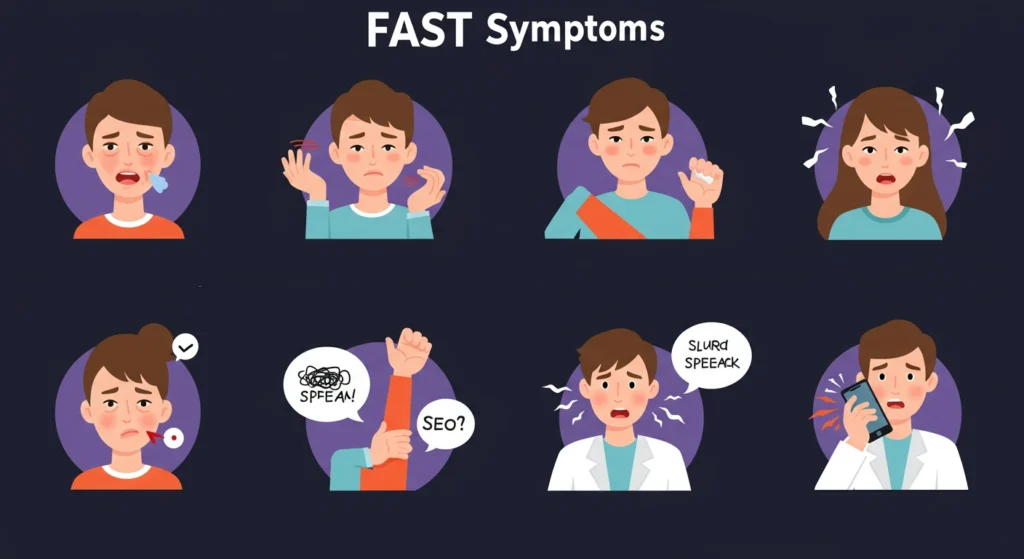
The acronym FAST is the most widely recommended tool for spotting a stroke quickly:
- Face Drooping – Does one side of the face droop when the person smiles?
- Arm Weakness – Is one arm weak or numb?
- Speech Difficulty – Is speech slurred or hard to understand?
- Time to Call Emergency Services – If these signs appear, call emergency services immediately.
Other symptoms may include sudden vision problems, dizziness, severe headaches, or confusion. Rapid identification is critical because treatments like clot-busting medications are most effective within the first 3–4.5 hours after symptom onset.
Risk Factors That Increase Stroke Causes
Some risk factors are non-modifiable, such as age, sex, or family history. However, many are lifestyle-related and can be controlled:
- High Blood Pressure – the most significant risk factor.
- Diabetes – worsens vascular health.
- Smoking and Alcohol Use – increase clotting and blood pressure.
- High Cholesterol – contributes to plaque buildup.
- Sedentary Lifestyle and Obesity – amplify all other risks.
According to the American Heart Association, nearly 80% of strokes are preventable with lifestyle adjustments (AHA Stroke Prevention).
Types of Stroke Causes Explained: Symptoms, and Life-Changing Impact
Strokes are one of the leading causes of disability and death worldwide. They occur when blood flow to the brain is interrupted, leading to cell damage and loss of vital functions. Understanding the different types of strokes, their causes, and long-term impact is crucial for prevention, treatment, and recovery.
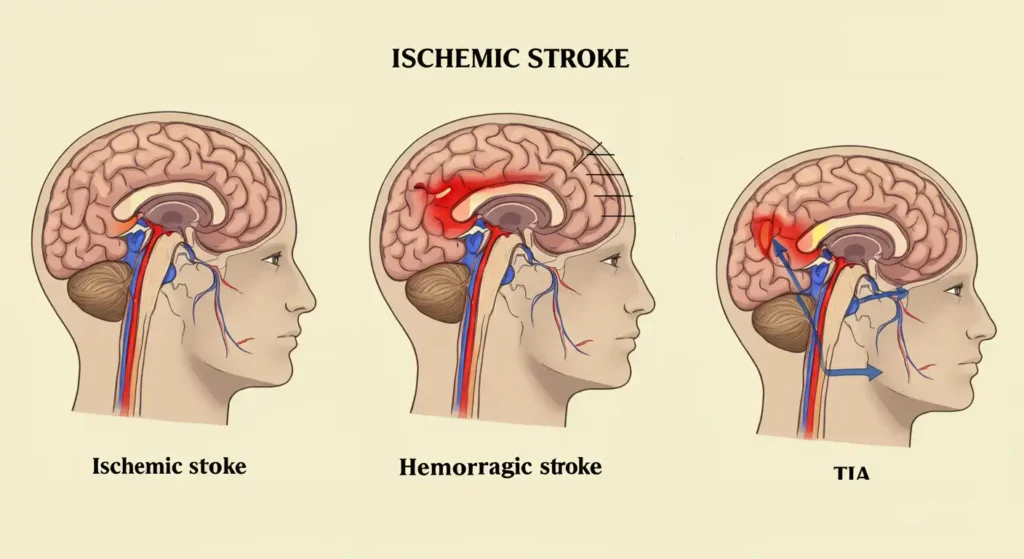
Ischemic Stroke: The Most Common Type
Ischemic strokes account for nearly 87% of all strokes. They happen when a blood clot blocks or narrows an artery leading to the brain. Without oxygen and nutrients, brain cells begin to die within minutes.
Main Causes:
- Atherosclerosis (plaque buildup in arteries)
- Blood clots traveling from the heart (embolism)
- High cholesterol and high blood pressure
Common Symptoms:
- Sudden numbness or weakness in the face, arm, or leg (especially on one side)
- Difficulty speaking or understanding speech
- Loss of balance or coordination
Hemorrhagic Stroke: When Blood Vessels Burst
Unlike ischemic strokes, hemorrhagic strokes occur when a weakened blood vessel ruptures, causing bleeding in or around the brain. This type of stroke is more deadly and often linked to uncontrolled high blood pressure.
Main Causes:
- Chronic hypertension (high blood pressure)
- Brain aneurysms
- Head trauma or vascular malformations
Common Symptoms:
- Sudden severe headache (often described as “the worst headache ever”)
- Nausea and vomiting
- Sudden vision problems
- Loss of consciousness in severe cases
Transient Ischemic Attack (TIA): The Warning Stroke
A Transient Ischemic Attack (TIA), often called a “mini-stroke”, occurs when blood flow to the brain is blocked for a short period usually less than five minutes. While symptoms disappear quickly, a TIA is a serious warning sign of a future major stroke.
Why TIAs Matter:
- They indicate underlying vascular problems.
- They increase the risk of a full stroke within days or weeks.
- Immediate medical attention can prevent long-term disability.
Common Symptoms: (similar to ischemic stroke but temporary)
- Brief episodes of weakness or numbness
- Sudden vision changes
- Difficulty speaking or confusion
The Life-Changing Impact of Strokes
The effects of a stroke can be devastating, often leading to long-term health challenges and lifestyle changes. The impact depends on the type of stroke, the area of the brain affected, and the speed of treatment.
Possible Consequences:
- Paralysis or muscle weakness
- Speech and communication difficulties
- Memory loss and cognitive decline
- Emotional and mental health struggles (e.g., depression, anxiety)
Why Early Action Matters:
- Receiving treatment within the first 3 hours of symptom onset can drastically reduce brain damage.
- Rehabilitation, including physical therapy, speech therapy, and lifestyle changes, improves recovery outcomes.
Long-Term Effects of Stroke: Understanding Physical, Cognitive, and Emotional Consequences
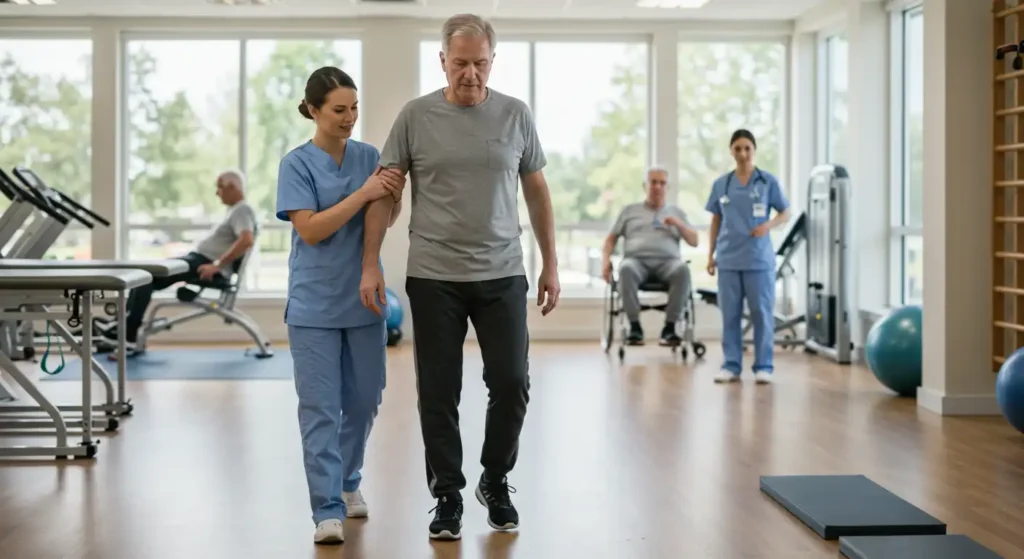
Surviving a stroke is only the beginning. Long-term consequences can dramatically alter quality of life.
Physical Effects
Stroke survivors may face paralysis, chronic pain, muscle stiffness, difficulty swallowing, or impaired balance. Recovery often requires months of intensive therapy.
Cognitive and Emotional Effects
Cognitive decline is common, with memory problems and reduced attention span. Emotional challenges like depression and anxiety affect about one-third of stroke survivors.
The American Stroke Association reports that nearly 25% of survivors experience another stroke within five years, emphasizing the need for long-term care (ASA Stroke Data).
Stroke Causes: Prevention and Natural Strategies

The good news is that up to 80% of strokes are preventable with lifestyle changes.
How to Prevent a Stroke Naturally
- Maintain normal blood pressure.
- Follow a balanced diet rich in fruits, vegetables, and whole grains.
- Exercise regularly (150 minutes per week recommended).
- Avoid smoking and excessive alcohol.
- Manage stress with meditation, deep breathing, or yoga.
Healthy Lifestyle to Prevent Stroke
Research shows the Mediterranean diet high in olive oil, fish, legumes, and nuts lowers cardiovascular risk. In fact, a NEJM study found it reduced cardiovascular events by 30% (NEJM Study).
Brain Health and Stroke Prevention
Engaging in reading, puzzles, and mental exercises helps preserve cognitive function and may delay cognitive decline in high-risk individuals.
Stroke Causes Recovery and Rehabilitation
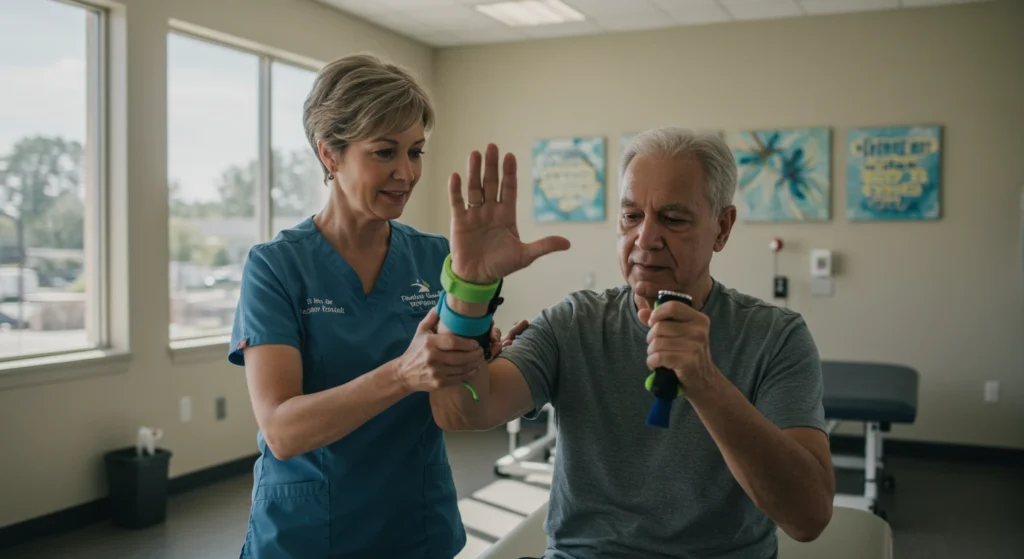
Stroke recovery is a lifelong journey. Rehabilitation focuses on regaining independence and quality of life.
Key Rehabilitation Methods
- Physical therapy – rebuilds muscle strength and balance.
- Speech therapy – restores communication skills.
- Occupational therapy – assists with daily tasks.
- Psychological support – addresses depression and emotional challenges.
Consistency and early rehabilitation increase chances of regaining independence. Support from family and caregivers also plays a vital role.
Conclusion
Stroke causes may seem overwhelming, but knowledge is power. By understanding risk factors, recognizing early symptoms, and adopting proven prevention strategies, you can dramatically reduce your risk. Recovery is possible, but prevention is far more effective.
👉 Take action today:
Adopt a healthier lifestyle, share this article with loved ones, and join the movement for better brain health and stroke prevention.
Experience Natural Pain Relief and Deep Relaxation — Get Your Acupressure Mat Set Today!Related posts:
 Add Attention Disorder: How Nature Deficit Triggers Anxiety
 Depression Symptoms: Can Your Gut Predict Depression?
 Sustainable Healthy Lifestyle: Foods & Habits for Beginners
 Cycle Syncing: Natural Hormone Balance Tips
 Posttraumatic Stress Disorder: Chronic Stress and Belly Fat
 Histamine Intolerance: Hidden Cause of Headaches and Fatigue