

Add Attention Disorder and the Hidden Impact of Nature Deficit on Your Mental Health
If you live with add attention disorder, spending too much time indoors isn’t just boring it can actually worsen symptoms like restlessness, difficulty concentrating, and anxiety. This is often linked to a concept known as Nature Deficit Disorder, which describes the negative impact of being disconnected from nature. Our modern lifestyle encourages hours in front of screens, artificial lighting, and recycled indoor air, but our brains and bodies evolved to thrive in outdoor environments rich in natural light, fresh air, and sensory diversity.
Studies show that exposure to green spaces can significantly reduce stress hormones, improve attention span, and boost mood especially in people with attention deficit disorder and attention deficit hyperactivity disorder.
Understanding Add Attention Disorder and Nature Deficit Disorder

The connection between add attention disorder and Nature Deficit Disorder is more profound than most people realize. While add attention disorder often classified alongside attention deficit disorder and attention deficit hyperactivity disorder has neurological origins, its symptoms can be intensified by environmental factors, especially prolonged indoor living.
Nature Deficit Disorder, a term coined by journalist and author Richard Louv, is not a clinical diagnosis but rather a way of describing the physical and mental health consequences of a lifestyle increasingly disconnected from the natural world.
For people with attention deficit types, who already face challenges with focus, emotional regulation, and sensory processing, the lack of natural environmental stimulation can be particularly harmful. Indoor spaces often bombard the senses with artificial lighting, repetitive sounds (like air conditioners or electronics), and stagnant air. In contrast, nature provides varied sensory input shifting light, rustling leaves, birdsong that engages the brain in a restorative way.
A study in Frontiers in Psychology found that people who spent just 20 minutes in a natural setting experienced significant improvements in both mood and cognitive performance (source). For those with add attention disorder, this means that even brief exposure to outdoor environments can help reduce hyperactivity, impulsiveness, and mental fatigue.
How Indoor Environments Trigger Anxiety
For someone with add attention disorder, indoor environments can create a perfect storm for anxiety. Artificial light disrupts the body’s circadian rhythm, leading to poor sleep quality a factor already linked to worsening symptoms of attention deficit hyperactivity disorder. Lack of natural airflow can increase carbon dioxide levels, which subtly affects brain function and mood.
Example Scenario: Imagine a college student with add attention disorder preparing for exams. He spends eight hours in a dimly lit dorm room, surrounded by books, papers, and his laptop. As the hours pass, he becomes increasingly restless, struggles to focus, and experiences a low-level feeling of unease. Without realizing it, his environment is feeding into his symptoms.
Why Nature is a Neurological Reset Button
Nature acts like a reset switch for the human brain, particularly for people with attention deficit types. When you step outside into a natural environment, the balanced sights, sounds, and smells stimulate your sensory systems. The sound of birds, the smell of fresh grass, and the sight of a wide horizon engage the brain’s default mode network a state linked to creativity, reflection, and calm.
In fact, forest therapy sessions have been shown to lower cortisol (the stress hormone) by as much as 16% after just 30 minutes in green environments. For someone with attention deficit hyperactivity disorder, this reduction in stress can lead to better mood regulation, more consistent focus, and fewer impulsive reactions.
Forest Therapy and Grounding Health Benefits for Attention Disorder Deficit Types

Forest therapy, also known as Shinrin-yoku in Japan, is a mindfulness-based practice that involves immersing oneself in nature through all five senses. For individuals with add attention disorder including those diagnosed with attention deficit disorder or attention deficit hyperactivity disorder this practice can be more than a pleasant walk in the woods; it can be a powerful therapeutic intervention.
The concept of Shinrin-yoku originated in Japan in the 1980s, when the Japanese government recognized that urban living and overwork were leading to a rise in stress-related illnesses. Research since then has confirmed that spending time in forests reduces cortisol levels, lowers blood pressure, and improves concentration.
For attention deficit types, the benefits go deeper. The natural environment provides a form of soft fascination, where the brain is gently engaged by subtle, ever-changing stimuli like light filtering through leaves or the sound of distant water without overwhelming the senses. This contrasts sharply with artificial environments, which can create sensory overload and exacerbate restlessness and impulsivity.
Why Forest Therapy Works for Mental Health
The key mechanism behind forest therapy’s effectiveness is Attention Restoration Theory (ART). This theory suggests that natural environments replenish the brain’s ability to concentrate by allowing the directed attention system to rest. People with add attention disorder often experience mental fatigue faster than others because their brains must work harder to filter distractions. Spending time in nature essentially gives that mental filter a break.
Neuroscientist David Strayer’s research at the University of Utah showed that people who spent three days in nature performed 50% better on creative problem-solving tasks compared to those in urban settings. This suggests that forest therapy not only reduces anxiety but also enhances executive function skills like planning, organizing, and decision-making that are often impaired in attention deficit hyperactivity disorder.
Real-life example: Emma, a 32-year-old graphic designer with add attention disorder, struggled with productivity and constant anxiety during remote work. She began practicing forest therapy by visiting a nearby botanical garden twice a week, intentionally leaving her phone in her bag and focusing on the scents, textures, and colors around her. Within a month, she noticed reduced anxiety and greater mental clarity during her workdays.
Grounding as a Natural Anxiety Reliever
While forest therapy engages the senses, grounding also called earthing directly connects the body to the Earth’s electrical charge. This can be as simple as walking barefoot on grass, lying on the ground, or touching natural surfaces like rocks or trees.
Grounding is based on the idea that the Earth’s negative electrical charge can help neutralize free radicals in the body, reducing inflammation and improving physiological balance. A study in the Journal of Environmental and Public Health reported that grounding can improve sleep, reduce pain, and decrease stress hormone levels (source).
For people with attention deficit hyperactivity disorder or other attention deficit types, grounding offers multiple benefits:
- Reduces sensory overload: The tactile sensation of grass, sand, or soil can shift focus from mental chatter to present-moment awareness.
- Balances nervous system activity: Physical connection to the earth helps activate the parasympathetic nervous system, calming the fight-or-flight response common in anxiety.
- Improves emotional regulation: This grounding effect can help reduce impulsive reactions and emotional swings often seen in add attention disorder.
Case study: Miguel, a 14-year-old with attention deficit disorder, began grounding by spending 15 minutes barefoot in his backyard every morning. After two weeks, his parents reported fewer emotional outbursts and a noticeable improvement in his ability to sit through homework sessions.
Practical Steps to Overcome Nature Deficit Attention Disorder Indoors
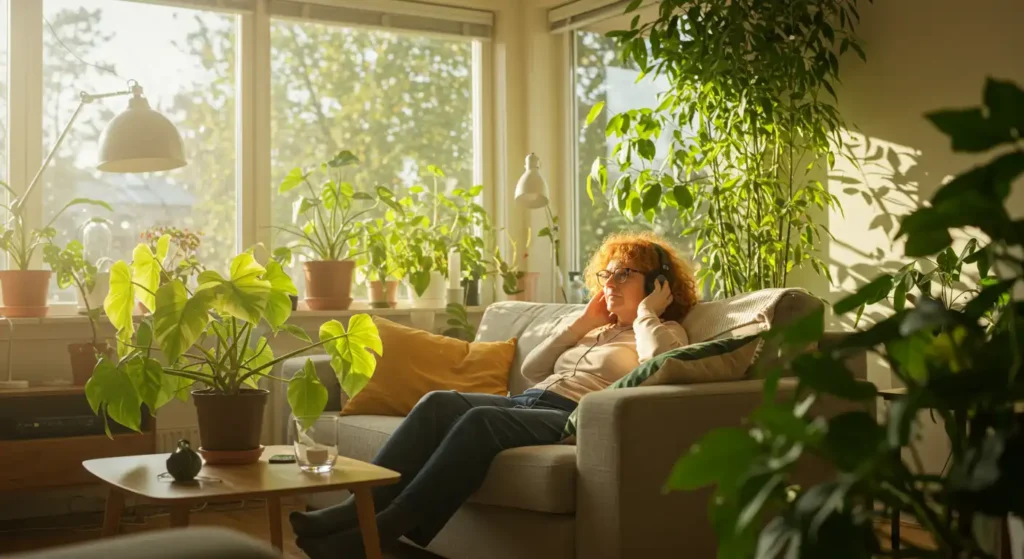
While nothing can fully replace the sensory richness of the outdoors, there are effective ways to mimic the benefits of nature for people with add attention disorder when outdoor time is limited. These strategies focus on integrating natural elements into daily routines, creating a more brain-friendly environment indoors.
- Bring Nature Inside:
- Add indoor plants like peace lilies, snake plants, or ferns, which not only purify the air but also have been shown to lower stress levels.
- Use vertical gardens or hanging plants for small spaces.
- Incorporate natural textures wooden furniture, stone decor, and cotton fabrics.
- Simulate Natural Sounds:
- Use sound machines or apps with recordings of forest ambience, ocean waves, or rainstorms. Research in Scientific Reports found that listening to natural sounds can lower the body’s stress response and improve cognitive performance.
- Maximize Sunlight Exposure:
- Position work areas near windows.
- Use mirrors to reflect natural light into darker rooms.
- When natural light isn’t available, use full-spectrum light bulbs that mimic daylight.
- Take Micro-Breaks Outside:
- Even if you can’t take long nature walks, short 5–10 minute breaks outdoors can reset your brain.
- Try “green breaks” standing near trees or grass while focusing on your breathing.
Conclusão – Reconnecting with Nature to Calm the Mind and Boost Focus

Living with add attention disorder can feel like an endless balancing act between trying to focus, managing emotions, and fighting off anxiety. While medication, therapy, and structured routines can play important roles, the environment in which you live is often overlooked as a major factor in mental health. This is where understanding Nature Deficit Disorder becomes essential.
When we spend too much time indoors especially in artificial environments filled with screens, recycled air, and static lighting we deprive our brains of the natural stimuli they evolved to depend on. For individuals with attention deficit disorder, attention deficit hyperactivity disorder, or other attention deficit types, this deprivation can amplify restlessness, emotional swings, and difficulties with concentration.
The research is clear: exposure to nature isn’t just pleasant it’s biologically restorative. Whether through forest therapy, grounding health benefits, or small changes to bring nature indoors, we can recalibrate our brains and bodies.
Nature delivers multi-layered benefits: it reduces cortisol, improves mood, sustains attention, and enhances emotional regulation.
Why it works:
- Natural light helps reset the circadian rhythm, improving sleep quality.
- Fresh air and green spaces boost oxygen flow to the brain, enhancing focus.
- Sensory diversity in nature stimulates the brain without overwhelming it.
- Grounding regulates nervous system activity, reducing hyperactive responses.
The truth is, no matter where you live or how busy your schedule is, there is always a way to integrate more nature into your daily routine. Even small steps like keeping a plant on your desk, listening to forest sounds, or doing grounding exercises can make a noticeable difference in managing add attention disorder symptoms.
🌿 Start today Your 7-Day Nature Reset Challenge
If you’ve been feeling anxious, restless, or unfocused indoors, it’s time to take control. Join the 7-Day Nature Reset Challenge:
- Day 1-2: Spend at least 15 minutes outdoors in a green space.
- Day 3-4: Try grounding walk barefoot on grass, sand, or soil.
- Day 5: Bring nature indoors add a plant or play forest sounds while working.
- Day 6: Practice forest therapy leave your phone behind and focus on sights, sounds, and scents.
- Day 7: Reflect write down how your focus, mood, and energy levels have changed.
📌 Nature is free, it’s accessible, and it’s scientifically proven to help manage add attention disorder. Your brain is designed to connect with the natural world give it what it needs, and watch your focus and calm return.
Experience Natural Pain Relief and Deep Relaxation — Get Your Acupressure Mat Set Today!Related posts:
 Lower Blood Pressure Naturally Without Medication
 Blue Zones Lifestyle: The Secrets from World’s Healthiest People
 Digital Detox Mental Health: How to Unplug and Reclaim Your Life
 Posttraumatic Stress Disorder: Chronic Stress and Belly Fat
 Sustainable Healthy Lifestyle: Foods & Habits for Beginners
 Tired All The Time: 9 Fatigue Causes and How to Fix Them