

What Is Circadian Eating and Why Does It Matter?
Circadian eating is a nutritional strategy that emphasizes aligning meal times with your internal biological clock, also known as the circadian rhythm. This rhythm operates on a 24-hour cycle and governs numerous physiological processes, including hormone secretion, digestion, metabolism, and sleep-wake cycles. Research in chrono nutrition a subfield of nutritional science has shown that meal timing can significantly influence metabolic health, energy levels, and weight management.
Unlike traditional diets that focus purely on calorie count or food groups, circadian eating encourages you to consider the timing of your meals as an essential component of overall wellness. For example, insulin sensitivity is highest in the morning, making it an optimal time to consume carbohydrates. sleep.
Furthermore, circadian eating helps to stabilize the body’s natural cortisol and melatonin cycles, supporting better mood regulation and more restful sleep. This synergy between eating patterns and biological rhythms is particularly valuable for those struggling with weight fluctuations, metabolic syndrome, or disrupted sleep patterns.
Implementing circadian eating doesn’t require dramatic dietary overhauls it’s more about restructuring the timing of meals. A typical plan might include a hearty breakfast filled with fiber rich foods, a balanced lunch emphasizing potassium rich foods, and a light, early dinner.
Circadian Eating Explained: Aligning Meals with Your Internal Clock
Your body functions like a finely tuned machine, and one of its most important regulators is the circadian clock. This internal timekeeper influences a range of bodily functions, including when you feel hungry, how you metabolize nutrients, and how effectively you burn calories. Circadian eating takes advantage of these natural rhythms to promote optimal health.
Morning Your Metabolic Power Hour
Between 6 AM and 10 AM, your cortisol levels peak, and insulin sensitivity is at its highest. This means your body is better equipped to handle meals rich in carbohydrates and fiber rich foods. A breakfast composed of whole grains, fruits, lean proteins, and healthy fats fuels your day, curbs cravings, and stabilizes blood sugar.
Eating a substantial breakfast is also linked to reduced overall calorie intake throughout the day. Studies have shown that individuals who consume the majority of their daily calories in the morning tend to have lower BMIs and improved metabolic profiles.
“When you consume more calories earlier in the day, your body is better equipped to process them efficiently.” – National Library of Medicine

Afternoon Balance and High Fiber Foods
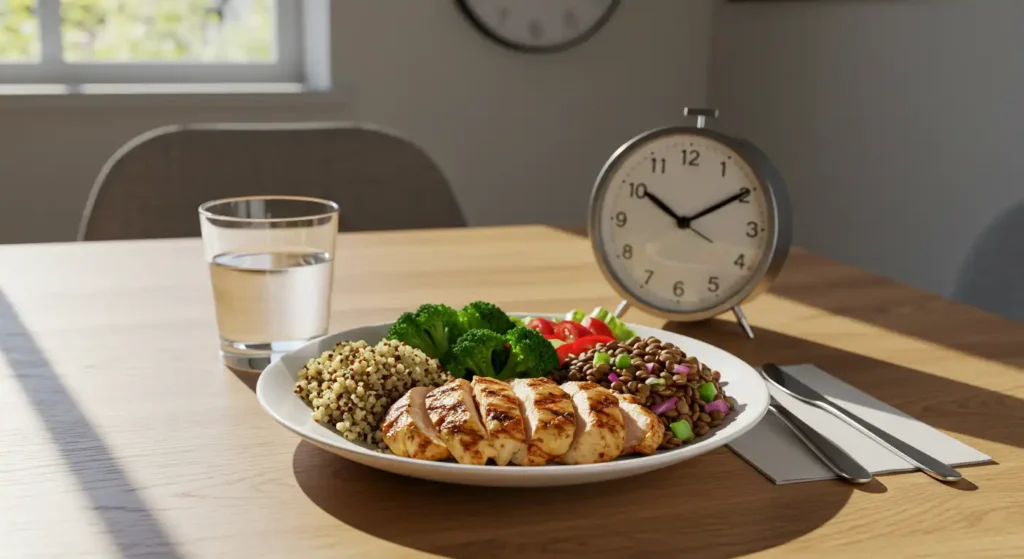
From noon to around 3 PM, your metabolism is still relatively high, and your body efficiently digests complex meals. This is an excellent time to include high fiber foods such as lentils, quinoa, sweet potatoes, and cruciferous vegetables. These foods not only aid digestion but also provide sustained energy and keep you feeling full longer.
Fiber plays a crucial role in gut health, blood sugar control, and cholesterol regulation. It slows the absorption of sugars and helps maintain a steady insulin response. Pairing fiber with proteins and healthy fats during lunch enhances nutrient absorption and prevents the dreaded afternoon energy crash.
Hydration is also essential during this period, as your digestive system is in full swing. Drinking water or herbal tea between meals supports digestion and nutrient transport.
“Dietary fiber reduces the risk of cardiovascular disease and supports metabolic health.” — Harvard T.H. Chan School of Public Health
Evening Keep It Light and Early
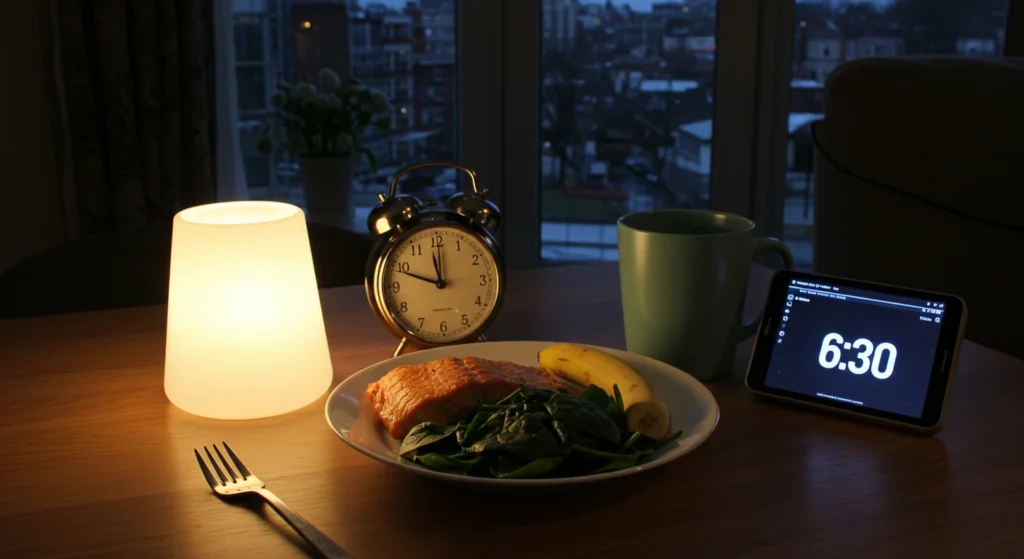
After 6 PM, melatonin production begins to rise as your body prepares for rest. During this time, your metabolism slows down significantly, and digestive efficiency drops. Eating heavy meals late at night can lead to indigestion, elevated blood sugar levels, and disrupted sleep.
Circadian eating suggests consuming your final meal at least 2–3 hours before bedtime. This meal should be light and composed of potassium rich foods like bananas, spinach, avocado, or a small portion of lean protein with steamed vegetables.
Keeping evening meals light supports restful sleep and minimizes the risk of weight gain due to late-night calorie storage. Avoiding stimulants like caffeine and heavy, fatty foods also enhances melatonin production.
“Late-night eating is associated with obesity, impaired glucose tolerance, and disrupted circadian rhythm.” – American Journal of Clinical Nutrition
Circadian Eating and The Best Time to Eat Carbs for Energy and Weight Loss
Timing your carbohydrate intake is critical for maximizing energy and managing weight. Within the framework of circadian eating, your body’s ability to process carbohydrates varies throughout the day due to insulin sensitivity fluctuations, which are influenced by your internal clock. Understanding the best time to eat carbs can significantly enhance your metabolic efficiency and reduce fat storage.
Morning Carbs for Maximum Efficiency
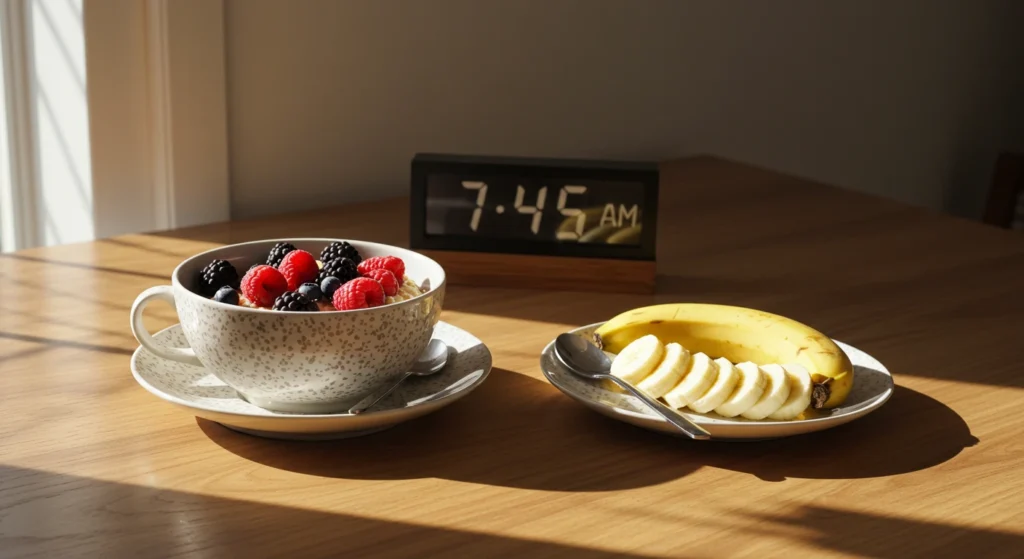
In the morning, your body is most insulin-sensitive. This means it can more effectively convert glucose into usable energy rather than storing it as fat. A breakfast rich in complex carbohydrates like oats, quinoa, and fruits provides slow-releasing energy that supports physical and cognitive performance throughout the morning.
Afternoon Carbs to Sustain Energy
Your metabolic rate remains active during the afternoon, making it a secondary window for consuming carbohydrates especially post-workout. Pair carbs with lean protein and high fiber foods to maintain satiety and avoid spikes in blood sugar. Whole grains, legumes, and starchy vegetables are excellent choices.
Including some potassium rich foods like sweet potatoes or lentils also aids in muscle recovery and fluid balance, which is especially important if you’re engaging in physical activity.
Evening Carbs and Sleep Disruption
Eating high-glycemic or refined carbohydrates at night can disrupt melatonin production and interfere with your circadian rhythm. The body becomes less insulin-sensitive in the evening, increasing the likelihood of glucose being stored as fat. Avoid pasta, white bread, or sugary snacks after 6 PM.
Instead, if you must eat a small amount of carbs, choose fiber rich foods like a banana or a handful of berries, which won’t spike your blood sugar drastically.
Circadian Eating, Chrono Nutrition and Weight Management: The Role of Timing in Calorie Deficit

Chrono nutrition doesn’t just influence what and when you eat it also directly impacts your ability to maintain a calorie deficit, which is the cornerstone of effective weight loss. Traditional diet plans often ignore the body’s natural rhythms, but integrating meal timing with metabolic activity leads to more sustainable results.
Early Calorie Distribution
Front-loading your calorie intake means eating the bulk of your daily calories in the first half of the day typically before 2 PM. Research from Obesity Reviews suggests that early eaters lost significantly more weight than late eaters on the same calorie deficit (source).
This strategy enhances satiety, regulates appetite hormones like ghrelin and leptin, and reduces cravings later in the day. A breakfast-heavy routine is also associated with better glucose control and lower triglycerides.
Avoiding Nighttime Eating
Late eating can sabotage your calorie deficit efforts. Your digestive system slows down at night, and your ability to oxidize fat decreases. Eating after 8 PM is linked to increased fat storage, impaired glucose tolerance, and weight gain.
To support chrono nutrition, avoid eating within 2–3 hours of bedtime. Opt for a light, potassium-rich snack if you’re truly hungry like a small banana or yogurt.
High Fiber and Potassium Rich Foods: Supporting Your Circadian Rhythm

Incorporating high fiber foods and potassium rich foods into your diet is a natural way to enhance your circadian rhythm and support whole-body wellness. These nutrient-dense foods improve digestion, reduce inflammation, and promote hormonal balance.
Why Fiber Matters for Circadian Eating
Fiber regulates digestion, supports a healthy microbiome, and stabilizes blood glucose levels all of which are essential for aligning with your circadian rhythm. The gut microbiome also operates on a circadian cycle, meaning the right fiber at the right time can reinforce biological rhythms.
Sources of soluble fiber like oats, legumes, and chia seeds help delay gastric emptying and prevent insulin spikes. Insoluble fiber from vegetables and whole grains promotes regularity and gut detoxification.
Potassium’s Role in Energy and Sleep Cycles
Potassium regulates nerve function, muscle contractions, and hydration all vital for daily energy and recovery. It also aids in melatonin production, which supports restful sleep. Lack of potassium can result in fatigue, cramps, and disrupted sleep cycles.
Great sources include bananas, spinach, avocado, lentils, beets, and oranges. Integrating these foods into your afternoon and early evening meals supports your internal clock and prevents nighttime disruptions.
“Potassium intake is essential for blood pressure regulation and better sleep outcomes.” – Harvard T.H. Chan School of Public Health
✅ Ready to Optimize Your Day with Circadian Eating?
Unlock the Power of Nature for a Healthier You and discover the natural formula that supports healthy weight loss. Click to learn more!Related posts:
 Seed Oils Health Effects: The Truth Behind the Controversy
 Intermittent Fasting: Everything You Need to Lose Weight
 Healthy Snacks for Weight Loss: Top 5 Low-Calorie Foods
 The Shocking Truth About Sugar: What’s Really Doing to Your Body
 Blue Zones Lifestyle: The Secrets from World’s Healthiest People
 Functional Beverages Benefits: Are Health Drinks Worth the Hype?